

|
|
A global archive of independent reviews of everything happening from the beginning of the millennium |
|
For publication dates click here Read our Copyright Notice click here
|
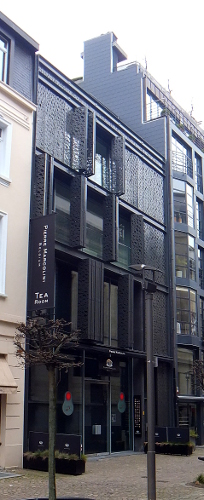
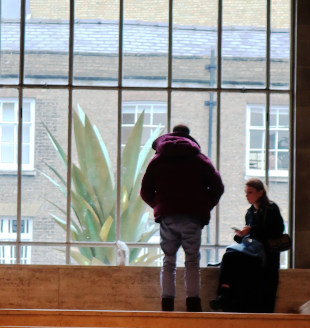
WELCOME to the FOOD pages of WORLD REVIEWS! ![]() Pablo Picasso, Still Life of Octopi and Cuttlefish, 1946 We have the following recipes and reviews in this section: FOOD0002/0821 click here for: NOSHING AT NIGHT IN MELBOURNE Reviewed by EREZ GORDON FOOD0004/0125 click here for: MANGE 2 Reviewed by MARTIN CALDWELL FOOD0005/1115 click here for: THÉ CHING WO Reviewed by ANDRE BEAUMONT FOOD0003/0322 click here for: CHICKEN MARENGO Reviewed by ANDRE BEAUMONT FOOD0001/0920 click here for: CORN OYSTERS Written by ELIZA LESLIE, 1846, Philadelphia, U.S.A. FOOD0006/0718 click here for: TOMATES SOSNO Reviewed by ANDRE BEAUMONT FOOD0007/0120 click here for: PINA FLAMENCA Reviewed by ANDRE BEAUMONT FOOD0008/0322 click here for: MENTON LEMON FESTIVAL 2022 Reviewed by ANDRE BEAUMONT Day of the Triffids approaches - the pineapple keeps growing John Standish (1873) heritage apple variety, Audley End kitchen garden Audley End House is a medieval building, modified and partially rebuilt in subsequent centuries. Its great hall is notably cool in British heatwaves. This is no great surprise. I have lived in Georgian, Victorian, Edwardian, and even Mediterranean houses of similar vintage to these three, and none have failed to keep half or more of the internal space cool in the hottest weather. This is primarily because these used solid, or empty cavity, masonry walls as heat sinks, soaking up the heat in the walls during the day and slowly relasing it in the colder nights. The depth of masonry also permits the plane of glass to be recessed, providing some built in shade which can be supplemented by drawing curtains, architectural features and shutters. The Georgians introduced the sash window which allows natural convection to cool rooms when both top and bottom sashes are opened a little. The cooler air comes in at the bottom and the rising hot air escapes at ceiling level rather than rising further to superheat a higher storey. The Victorians designed their chimneys to use convection to cool everything and they cracked the art of building very comfortable houses, neither draughty as a medieval one can be nor too airtight as to encourage condensation. The Edwardians democratised the best of Victorian design into terrace after terrace. The most literally deadly dwellings for overheating today are concentrated in buildings rated A for thermal performance. Building regulations changes circa 2004, contrary to European practice, and to previous British fire prevention practice, permitted foam and plastic insulation - cheaper in the marketplace than thermal grade inner masonry and glasswool - that may have been better at trapping heat inside than preventing cold getting in. A lack of understanding that masonry buildings should not be airtight, combined with different paint finishes (we will not be going back to lead-based for sure), triggered appearances of condensation and mould that sashes that still opened top and bottom used to prevent. The degradation of material quality continued - some asbestos products were then cleared for use. After all, the argument might go: why permit flammable foam with added paper thin surface layers to prevent spread of flame (not fire) when non-flammable asbestos could be enfolded in something too? Was this deregulation element triggered by the non-professionally qualified with a bee in their bonnet about professionals? (At one point a government was proposing anyone could call themselves an architect rather than train for seven years first.) The streak of nihilistic progression only ended with Grenfell. You could not have yet more of this agenda of non-professionalism. You do not want to be in the attic storey of a building of any age should you not be in the best of health during a heatwave. Hot air rises. At the very least it heats the floor at your feet even if you have air conditioning. People and animals need to get out but where to go for some? Even one of the older buildings becomes a risk if it is subdivided into flats or has had works that imposed the insulation. Flats with a southerly or westerly aspect are at the greatest risk of solar gain and there may not be the protection of depth, or rooms with other aspects to go into, that these buildings were constructed with. If the ambient air inside is 30 degrees C and the rising air below is 40 degrees C opening the window to 35 degrees C air and direct sunshine just makes everything worse. |

|
|
|